

REAL HOUSTON DETAILING CASE STUDY · river OAKS
How We Restored a Toyota RAV4 After Magnolia Honeydew Etched the Paint
After approximately two months beneath a magnolia tree during the Houston summer, sticky honeydew and tree residue had hardened across this nearly new black RAV4. Washing and chemical decontamination removed the surface contamination—but the remaining clear-coat etching required a professional two-step paint correction.
Toyota RAV4
VEHICLE
Magnolia honeydew
PRIMARY CONCERN
River Oaks, Houston
LOCATION
Paint sealant
FINAL PROTECTION
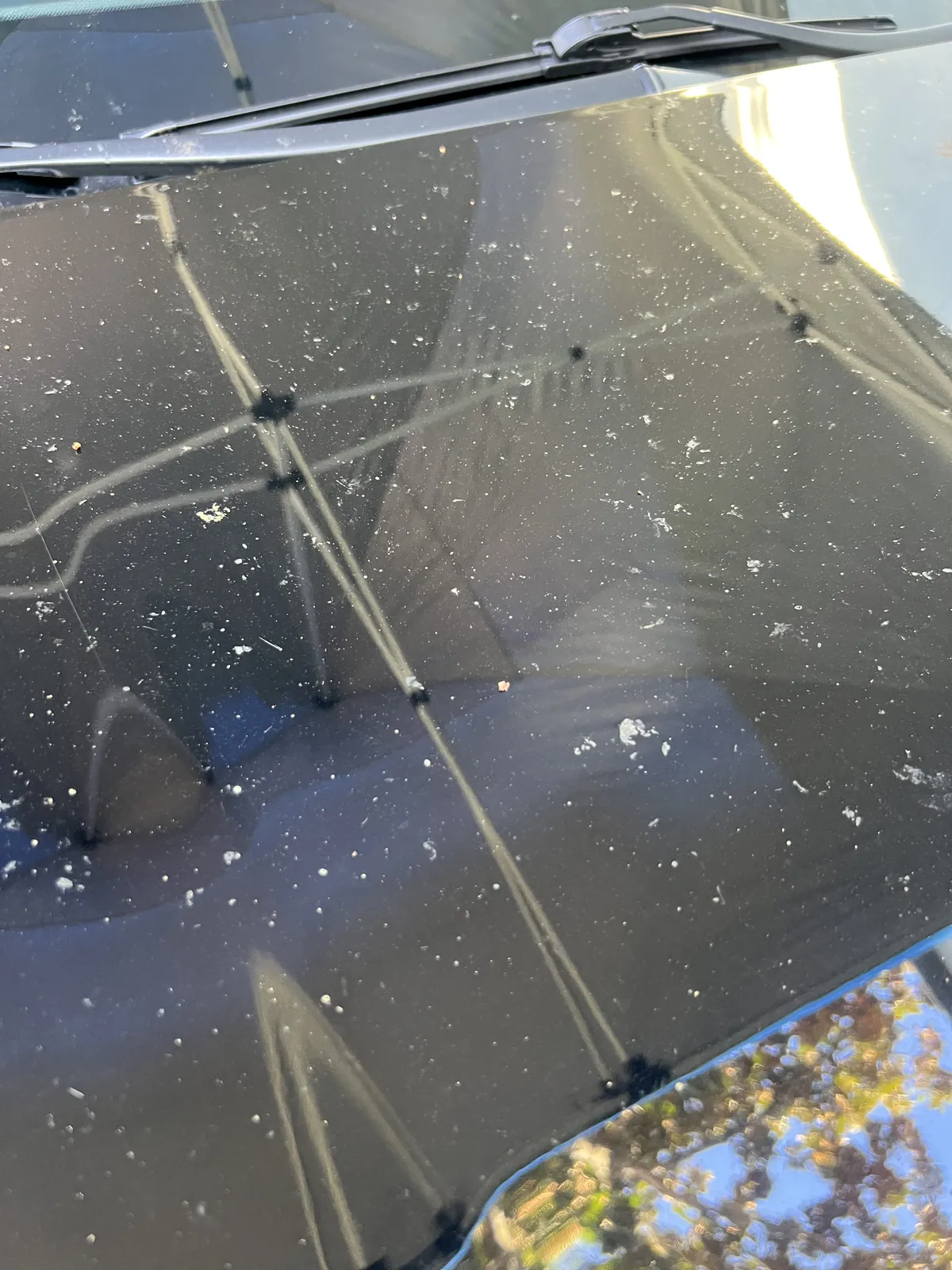
Before
Bonded residue and etched spotting
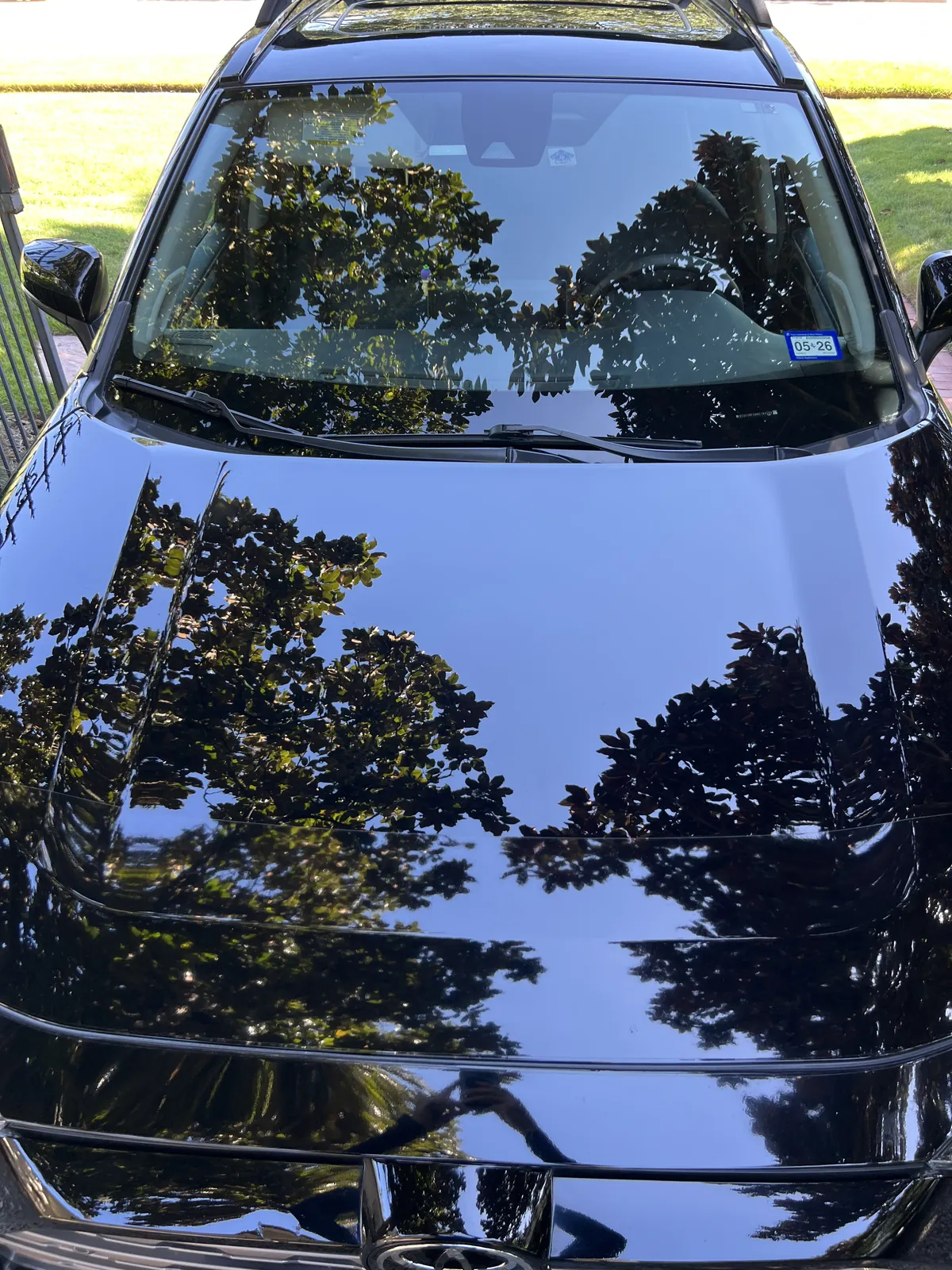
After
Corrected clarity and sealed finish
01 · THE STARTING CONDITION
What two months beneath a magnolia tree left behind
The owner's primary concern was the dense spotting across the black paint. The sticky contamination had collected dirt, repeatedly dried in the sun, and covered the hood, roof, and upper body panels.
Because the vehicle was only three years old, the goal was not simply to make it look cleaner. It was to remove the contamination safely, determine what had already affected the clear coat, and preserve as much original paint as possible.
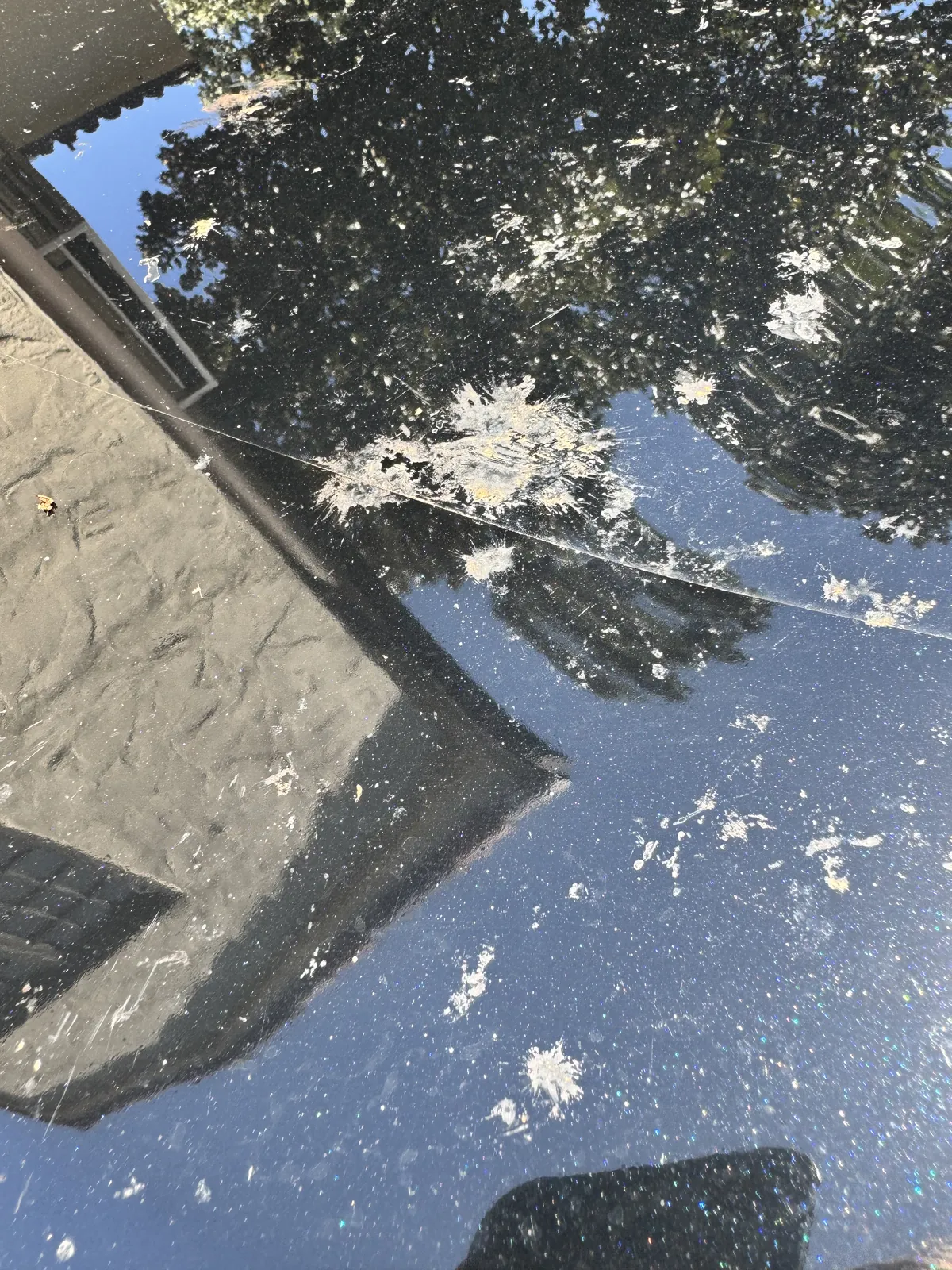
Hardened contamination
Sticky organic residue had dried into a dense, chalky pattern across the black paint.
Hood and cowl area
The heaviest buildup collected across the hood near the base of the windshield.
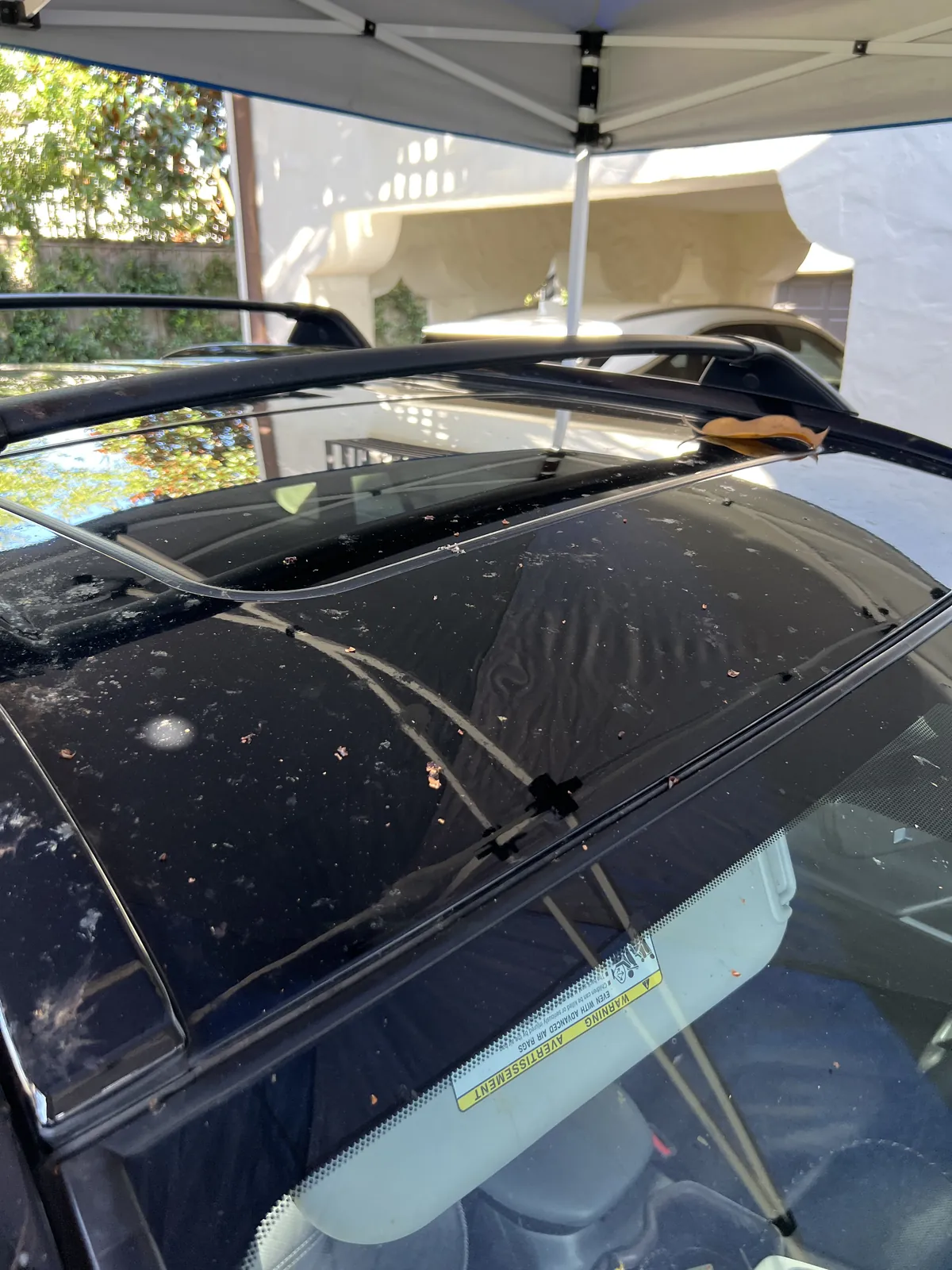
Roof contamination
Two months beneath the tree left the roof and upper panels covered in bonded deposits.
WHY A WASH WASN'T ENOUGHDecontamination removed what was bonded to the surface. Paint correction addressed what the heat had etched below it.
A deep wash, iron remover, clay bar, water-spot remover, and dedicated tree-residue remover made major progress. But the clean, dry inspection still revealed marks within the clear coat. That evidence—not guesswork—determined the next step.
02 · THE RESTORATION PROCESS
From a contaminated finish to corrected, protected paint
We escalated one controlled step at a time. Each stage had to earn the next.
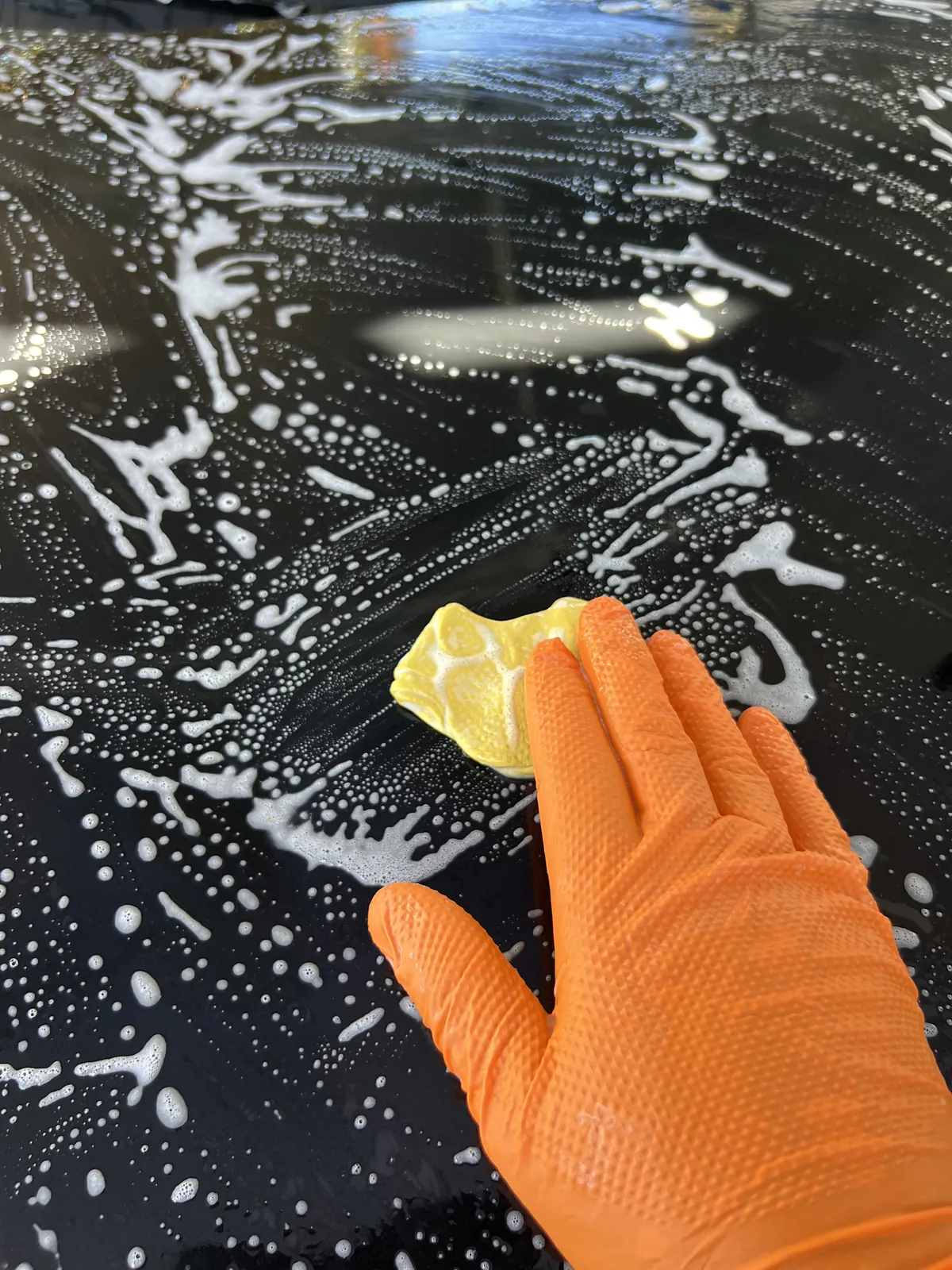
ACTUAL SERVICE PHOTOThe wash stage removed loose soil and prepared the paint for controlled decontamination.
01
REMOVE LOOSE SOIL
Deep wash and careful contact cleaning
We began with a thorough pre-rinse, foam treatment, and contact wash to remove loose dirt without grinding the bonded contamination into the clear coat.
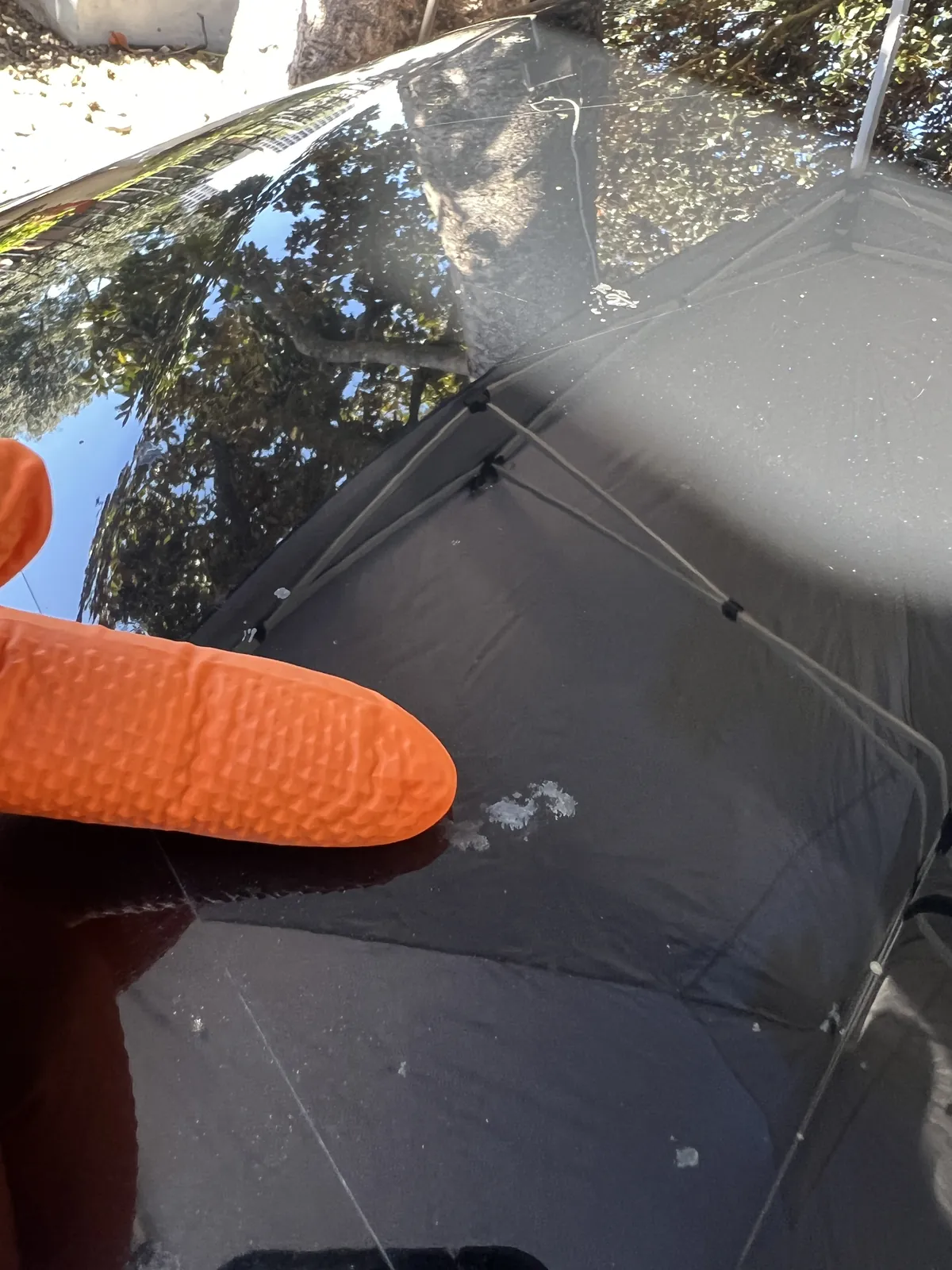
POST-DECONTAMINATION INSPECTIONThe surface contamination was removed, revealing the etched pattern that still required paint correction.
02
RELEASE BONDED CONTAMINATION
Chemical and mechanical decontamination
Iron remover, clay bar, water-spot remover, and dedicated tree-residue remover released contamination above the paint. A clean, dry inspection then revealed damage already etched into the clear coat.
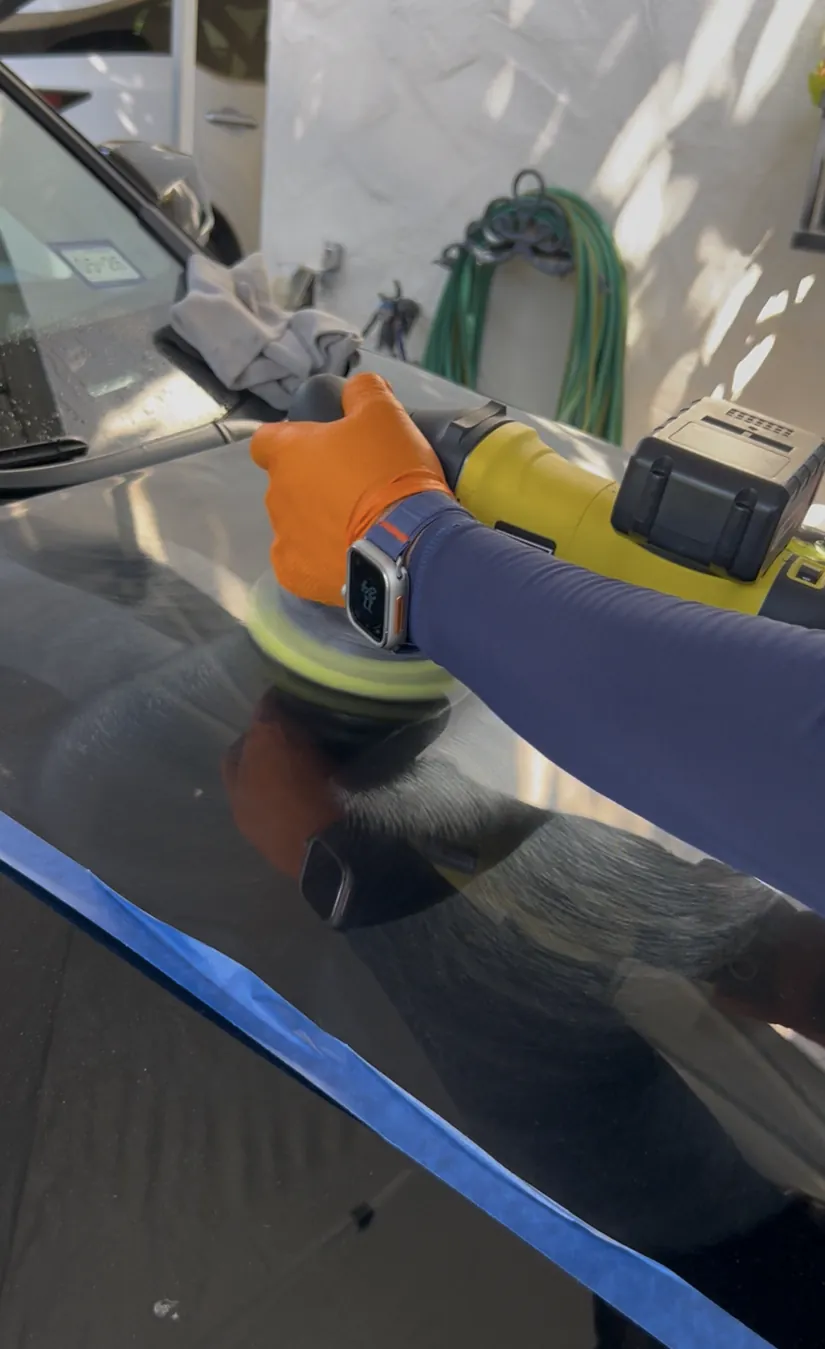
PAINT CORRECTION IN PROGRESSA controlled two-step correction reduced the etched defects and restored depth to the black finish.
03
CORRECT THE ETCHED FINISH
Two-step paint correction
A compounding stage reduced the defects left within the clear coat. A refining polish then restored clarity, depth, and gloss to the black paint.
FINISHED AND PROTECTEDThe corrected hood regained crisp reflections before receiving the owner-selected paint sealant.
04
PROTECT THE CORRECTED FINISH
Paint sealant application
The owner selected a paint sealant for gloss and practical short-term protection. For a vehicle regularly parked outside or beneath trees, our longer-term recommendation is a professionally installed ceramic coating.
03 · THE RESULT
The contamination was removed. The etched finish was corrected.
The wash and decontamination stages removed material sitting above the paint. The two-step correction then reduced the pattern that remained within the clear coat and restored the clarity and depth expected from a three-year-old black RAV4.
The vehicle was finished with the customer-selected paint sealant for gloss and practical short-term protection. No wax, sealant, or coating makes paint immune to prolonged tree residue, so prompt maintenance remains essential.
RESTORATION RESULTS
The finished 2023 Toyota RAV4
These photographs document the finish after decontamination, two-step paint correction, and paint-sealant application. Reflections became clearer, the heavy spotted appearance was removed, and the black paint regained the depth expected from a nearly new vehicle.
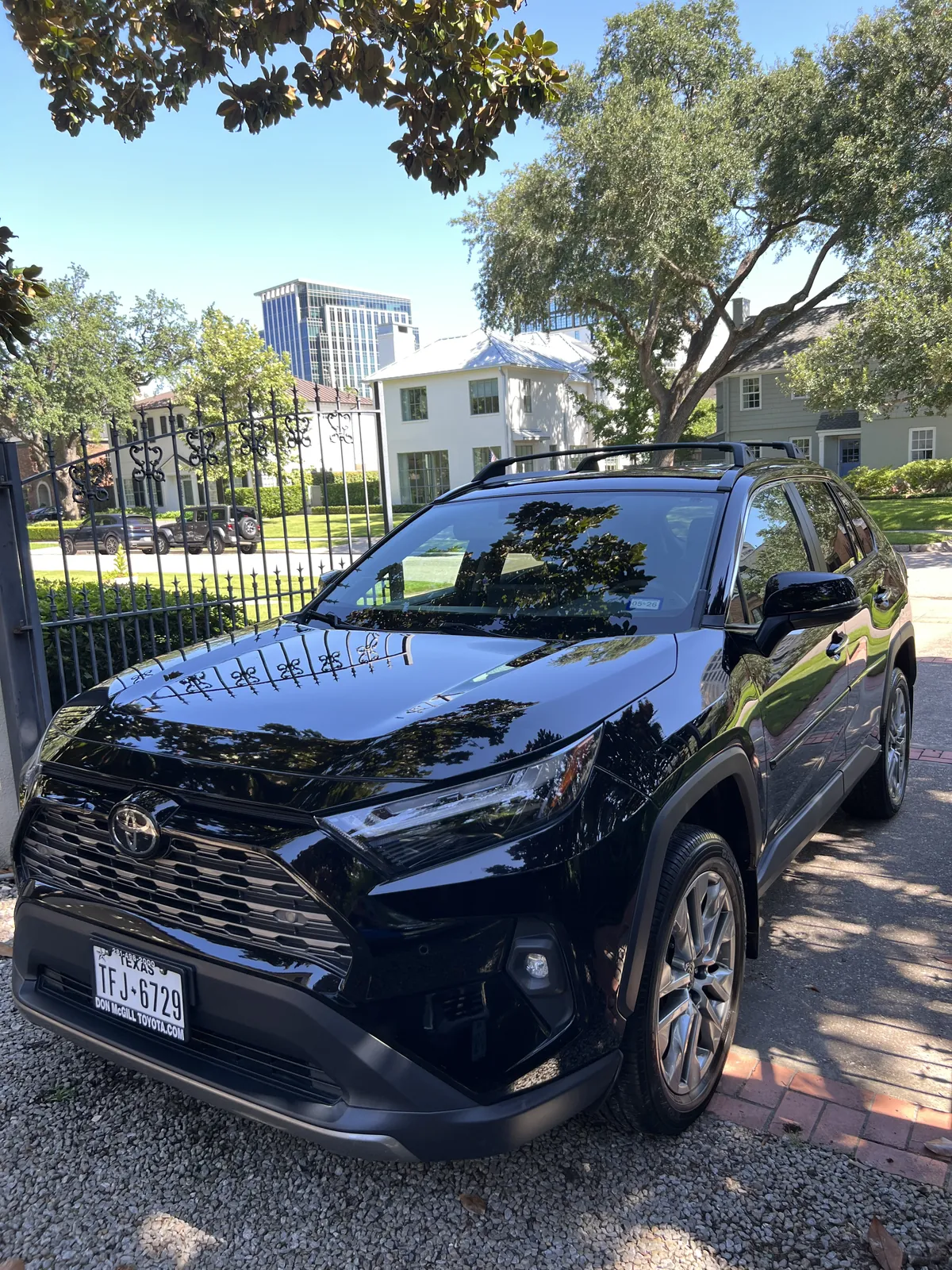
Front view
A clean, even finish across the hood and front body panels after correction and protection.
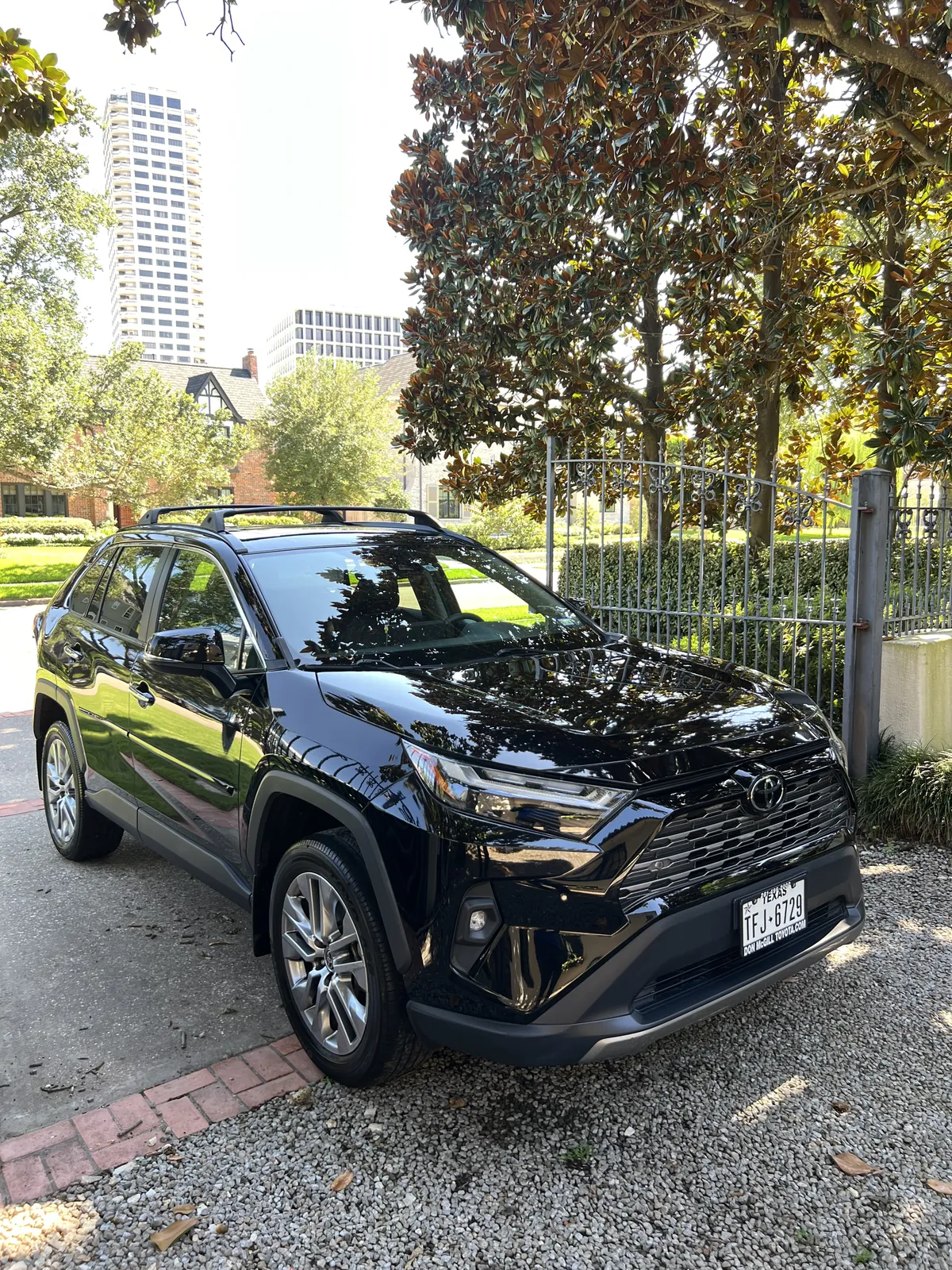
Three-quarter view
The black paint regained clarity and gloss without the dense film visible at intake.
Corrected hood reflection
Crisp tree reflections show the improved clarity achieved before the sealant was applied.
04 · WHY SPECIALIST DIAGNOSIS MATTERED
Two hand car washes said nothing could be done
Before contacting Azul Auto Detailing, the owner visited two local hand car washes. Both advised that the spotting could not be removed. That conclusion made sense within the limits of a maintenance wash—but the paint needed diagnosis, not stronger scrubbing.
A routine wash is designed to remove loose soil. A professional detail can separate bonded contamination from defects already inside the clear coat, test the least aggressive method first, and escalate to paint correction only when inspection shows it is necessary.
05 · MAGNOLIA HONEYDEW EXPLAINED
What was actually falling onto the RAV4?
Magnolia honeydew is not simply tree sap dripping from a branch. University extension specialists describe it as a sugar-rich, sticky excretion produced by sap-feeding scale insects. It can coat vehicles beneath an infested magnolia and provide a surface where dark sooty mold develops.
On a vehicle, the sticky film can hold dust and organic debris against the finish. In this Willow Oaks case, roughly two months of exposure and repeated drying during a Houston summer left a visible pattern after the surface contamination was removed. That clean-panel inspection showed why correction—not additional washing—was required.
Authoritative references: Iowa State University Extension and University of Georgia Cooperative Extension.
06 · PREVENTION AND URGENCY
What Houston vehicle owners should do when sticky tree residue appears
- Move the vehicle out from beneath the source whenever practical.
- Rinse and wash it promptly with an automotive-safe method, preferably before repeated sun exposure dries the residue again.
- Do not scrape the paint with a fingernail, razor, abrasive pad, or dry towel. Avoid untested household solvents.
- Ask for an inspection if spotting remains after a safe wash. The remaining marks may be mineral deposits, bonded organic contamination, or clear-coat etching—and those conditions require different treatment.
- Maintain a protective layer. Wax and sealants help temporarily; a ceramic coating generally offers longer-lasting chemical resistance and easier cleaning, but it still requires timely maintenance.
Why timing matters: removal is usually simpler while contamination is still on the surface. Once a clean, dry panel still shows an etched pattern, polishing may be necessary to improve it.
07 · SEALANT OR CERAMIC COATING?
Why we recommended ceramic protection after correction
The owner chose a paint sealant, which was an appropriate budget-conscious way to add gloss and short-term protection after correction. Our longer-term recommendation was a professionally installed ceramic coating because this RAV4 is regularly exposed outdoors near trees.
A ceramic coating can make routine washing easier and provide longer-lasting resistance than a conventional wax or sealant. It does not make the paint tree-sap-proof, prevent every stain, or eliminate the need to wash. Its greatest value here is helping preserve the corrected finish while giving future contamination less opportunity to remain bonded for weeks.
08 · FREQUENTLY ASKED QUESTIONS
Tree residue, decontamination, and paint correction FAQs
Can a normal car wash remove magnolia honeydew?
A prompt, careful wash may remove fresh residue. If it has hardened or mixed with other contamination, dedicated decontamination may be needed. If marks remain after the surface is clean, additional washing will not correct clear-coat etching.
Is a tree-sap remover enough?
Only when the problem is still above the paint. A remover can soften compatible organic contamination, but it cannot polish away defects that remain within the clear coat.
Why did the RAV4 still look spotted after clay-bar treatment?
Clay removes bonded material from the surface. It does not level etched clear coat. The post-decontamination photograph on this page shows that diagnostic checkpoint.
Can paint correction remove every etched spot?
Results depend on defect depth and the amount of healthy clear coat available. A responsible correction balances visible improvement with paint preservation rather than chasing every mark aggressively.
Will ceramic coating prevent this from happening again?
A coating can improve chemical resistance and make cleaning easier, but it is not immune to tree residue. Contamination should still be washed away promptly.
How quickly should tree residue be addressed?
As soon as practical. Move the vehicle from the source, wash it safely, and arrange an inspection if spotting remains on the clean, dry paint.
MOBILE DETAILING · HOUSTON, TEXAS
Tree residue on your paint? Do not wait for it to become a correction job.
Send Azul a few clear photographs of the affected panels. We will help you understand the likely service level and confirm the final approach after inspecting the paint.
Related: Exterior Detailing · Paint Correction · View More Case Studies